Misc
My Cats
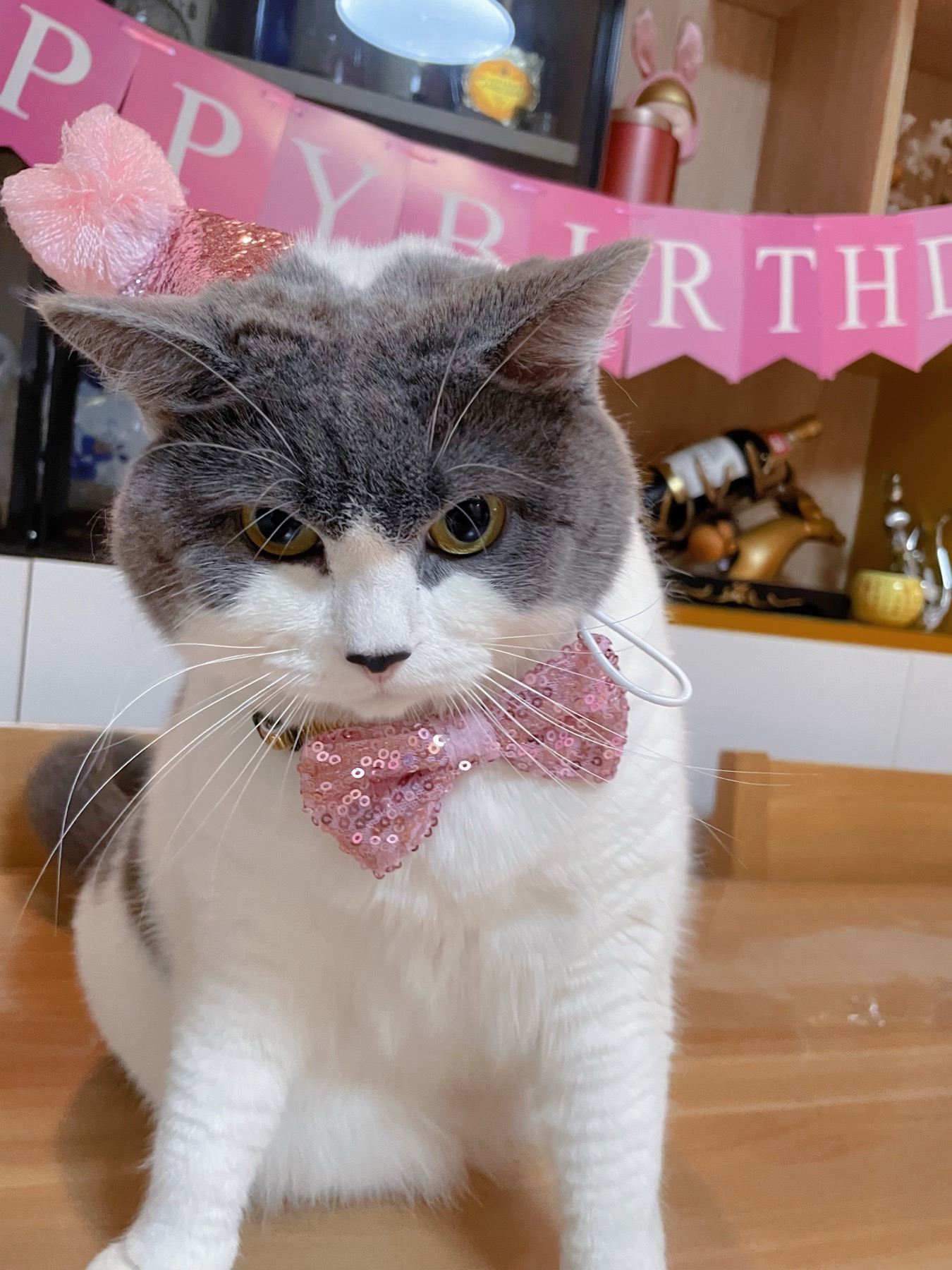
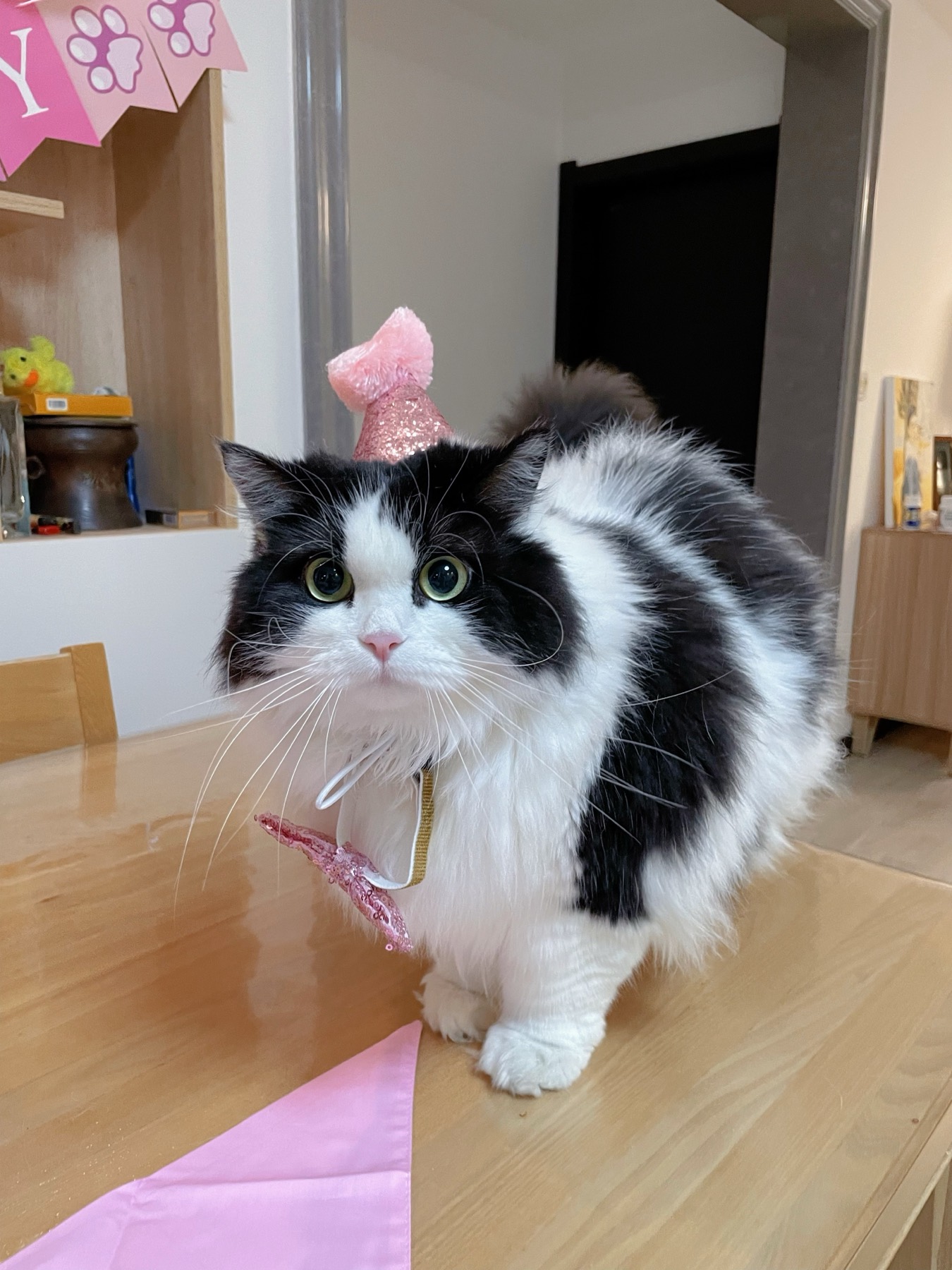
I have two cats. One is Schrödinger Elizabeth Sun, and the other is Planck Margaret Yang.
Their names carry several stories. Schrödinger and Planck are named after two physicists. I was not particularly good at physics in high school, so I hoped the names might bring me a little superstitious luck. Elizabeth and Margaret come from Queen Elizabeth II and her sister, Princess Margaret. My cats were born in the year Queen Elizabeth II died, so I gave them the sisters’ names as middle names. Sun is my family name, and Yang is my mother’s.
I love them deeply. They helped me understand what unconditional love can feel like, and that is also the kind of love I want to give them.
Theatre and Music
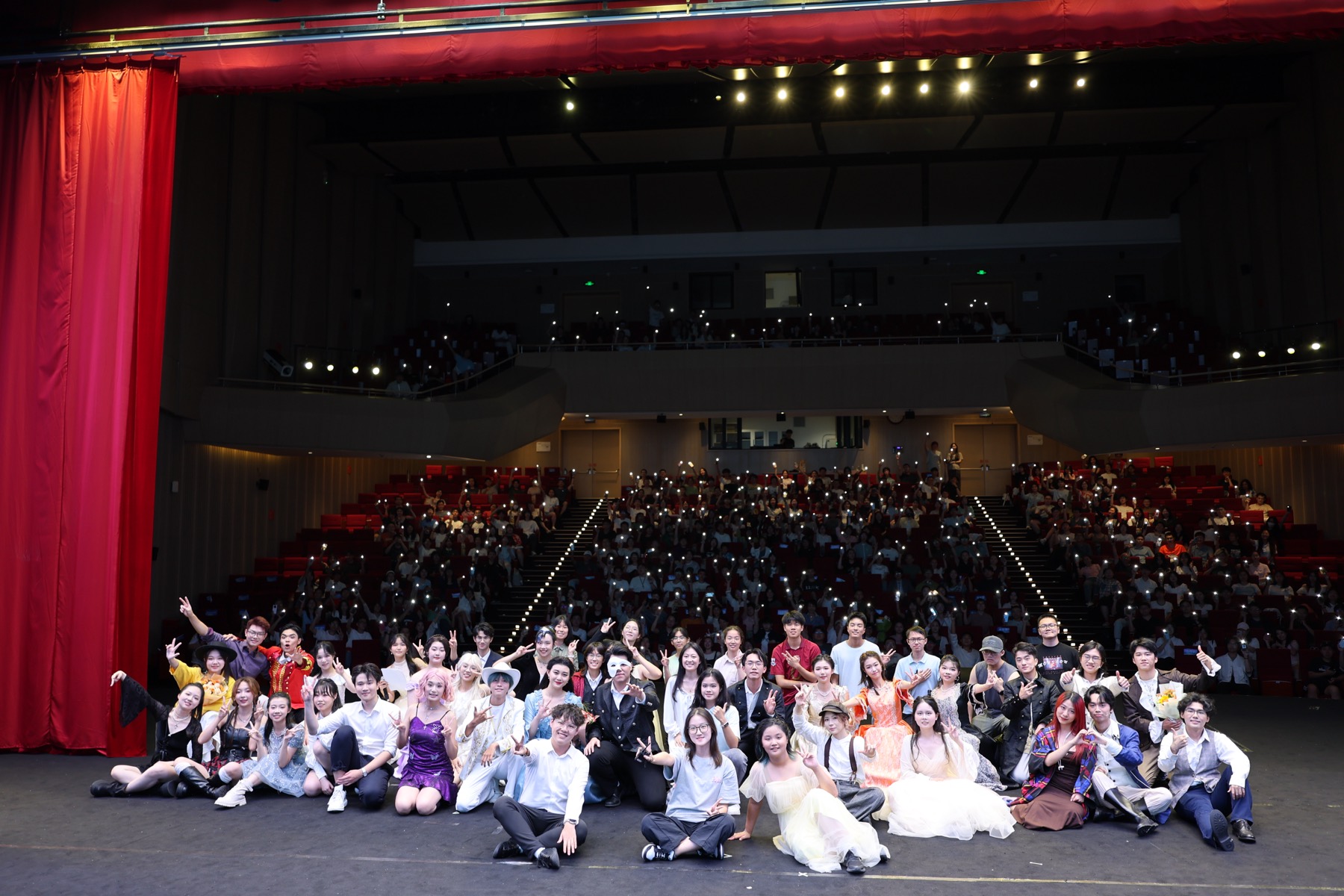
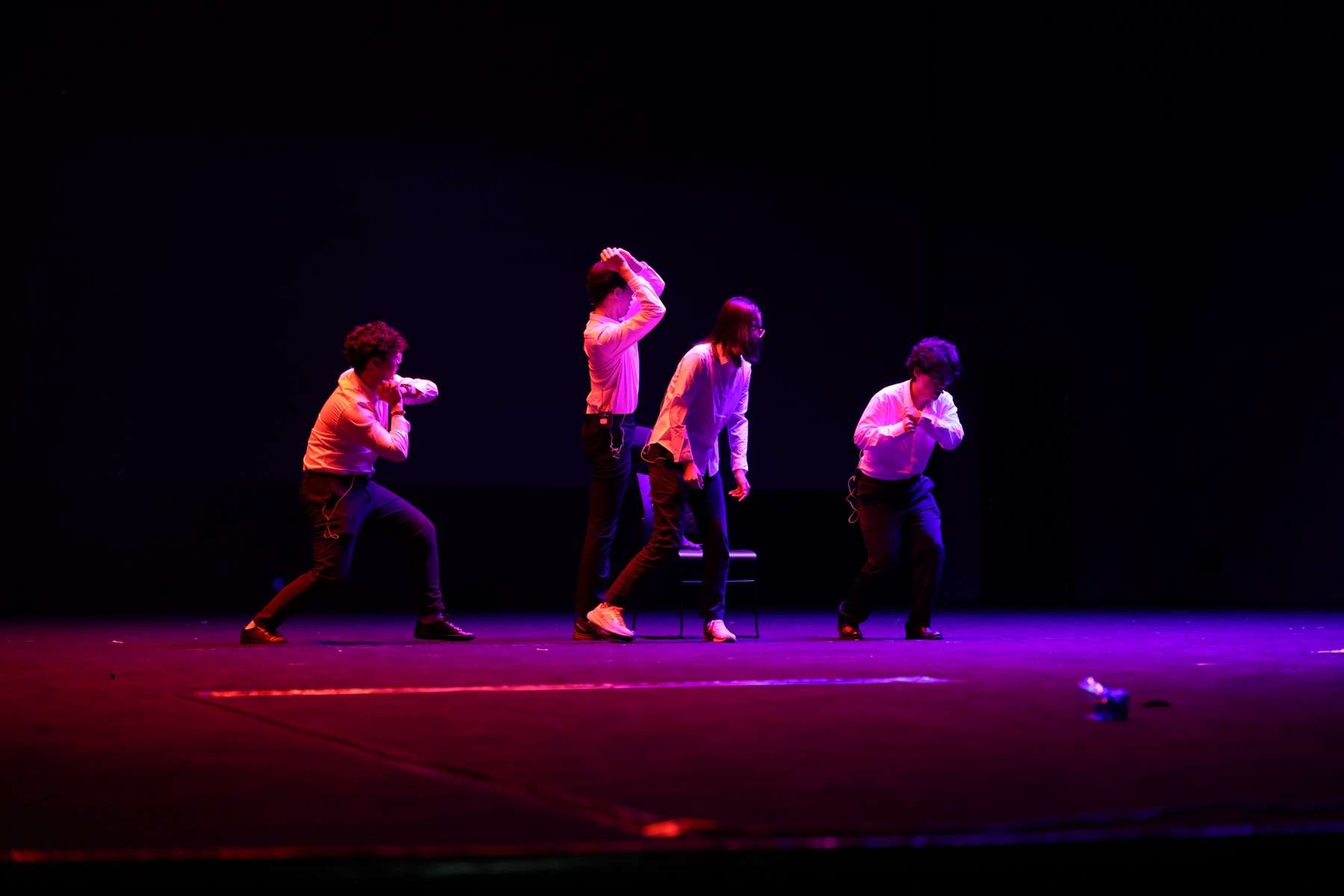
Musical theatre is an important part of my life. I serve as vice president and publicity director of the SUSTech Southern Broadway Musical Club. I have directed selections from Les Misérables and helped organize a musical gala at SUSTech attended by more than 600 people. I enjoy every part of the process, from rehearsing and promoting a production to standing on stage. Most of all, I love watching a group of people refine the same performance until something that once existed only in our imagination becomes real.
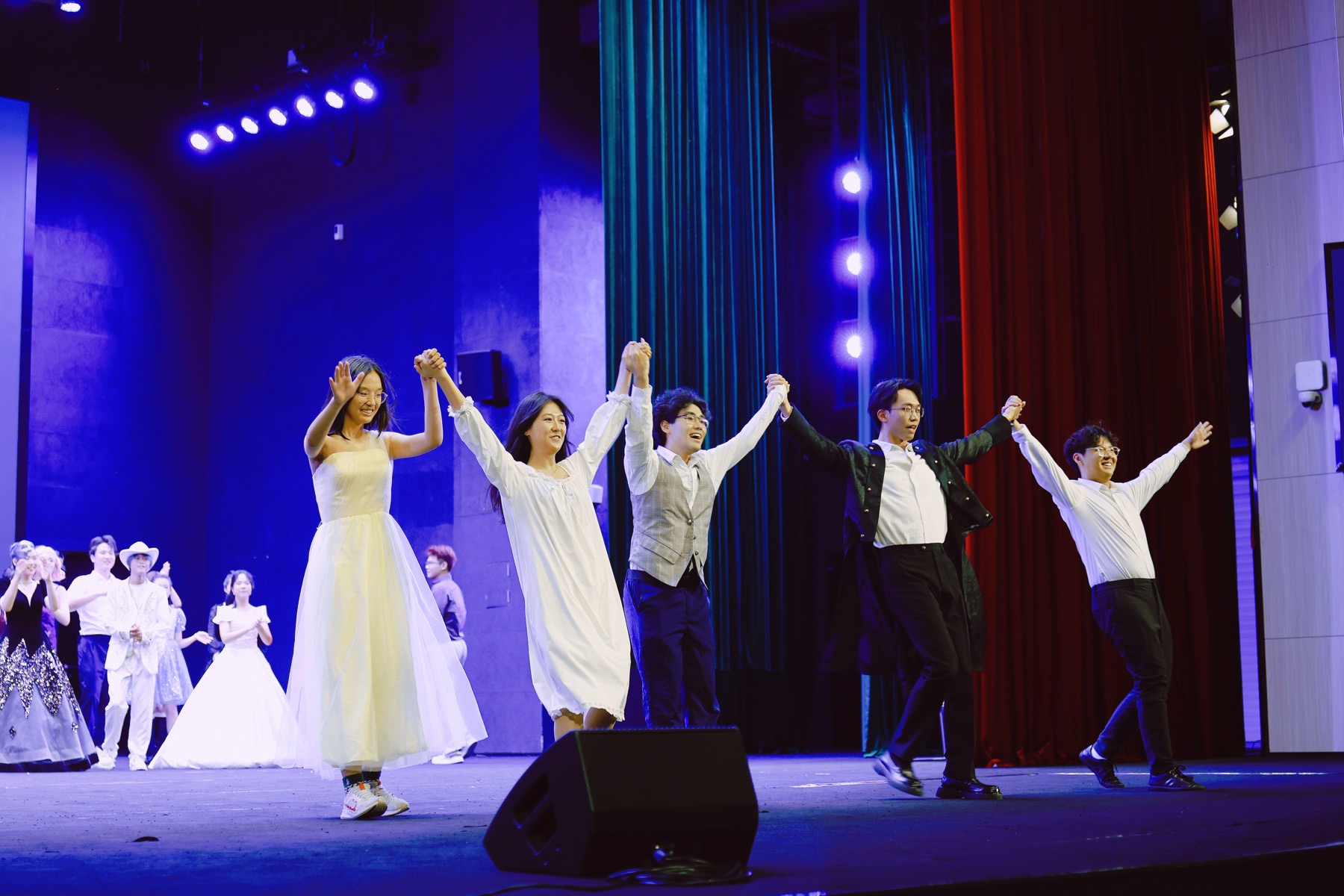
My favorite musicals include Les Misérables, Rent, Come From Away, Fan Letter, Dear Evan Hansen, and Hamilton. I also listen to a great deal of pop music in English, Mandarin, Cantonese, and Japanese. Some of my favorite artists are Olivia Rodrigo, Noah Kahan, Rainie Yang, Fujii Kaze, and back number. So far, I have attended seven concerts.
My favorite song is Hanataba (花束, “Bouquet”) by back number. Two lines from it have stayed with me:
浮気しても言わないでよね
知らなければ悲しくはならないでしょ
Even if you cheat on me, don’t tell me. If I don’t know, I won’t be sad, right?
Food and Travel
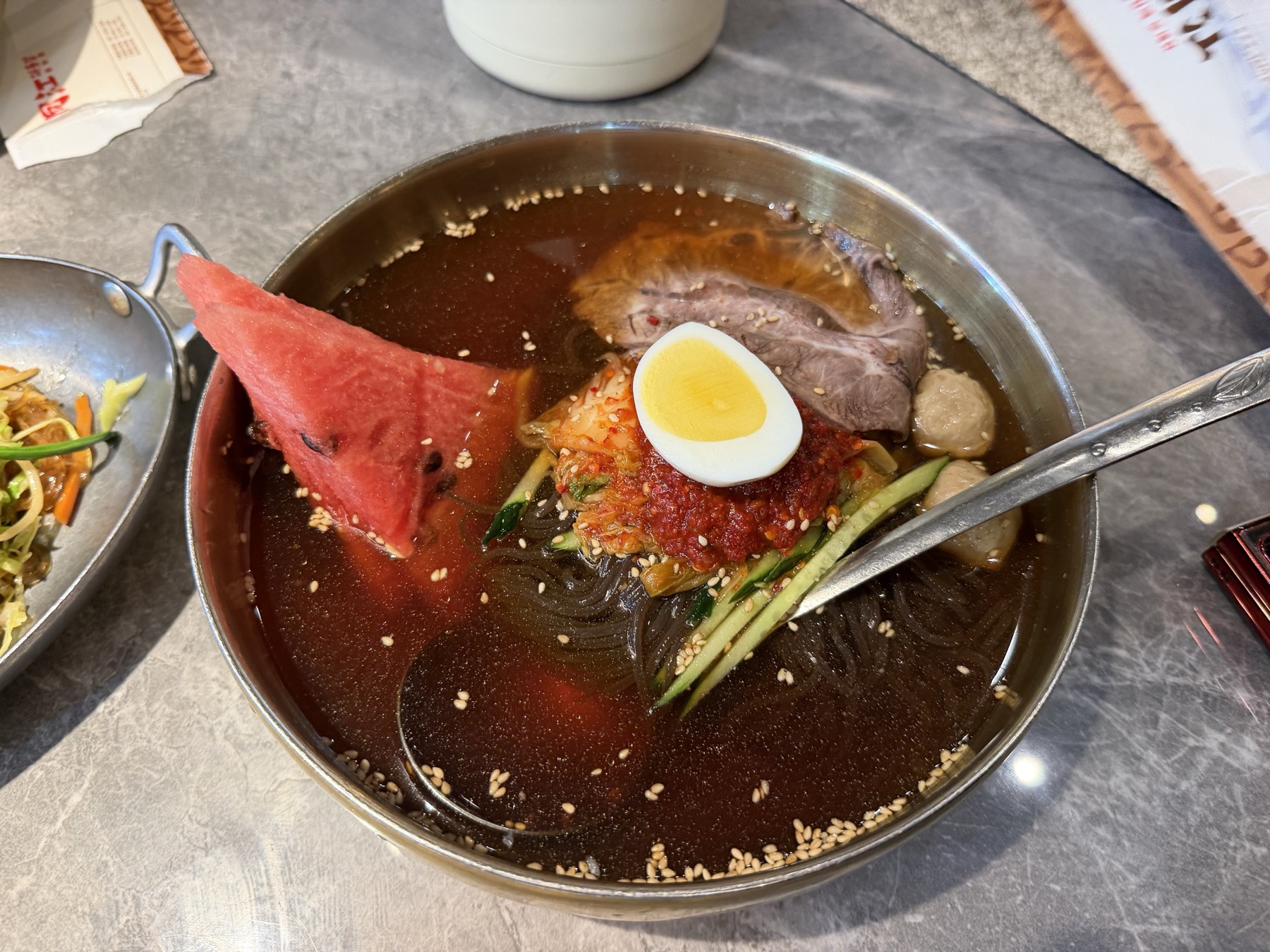
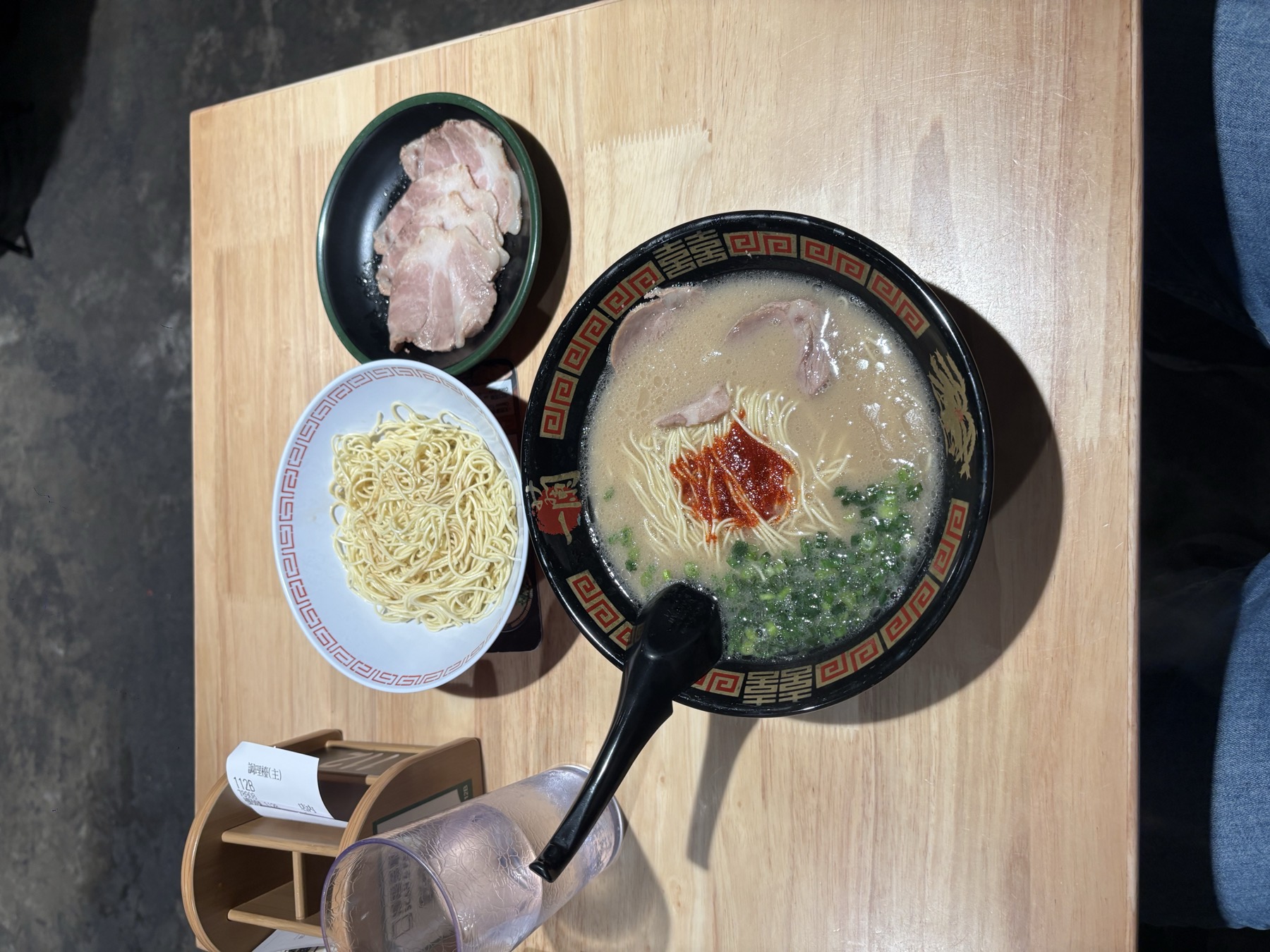
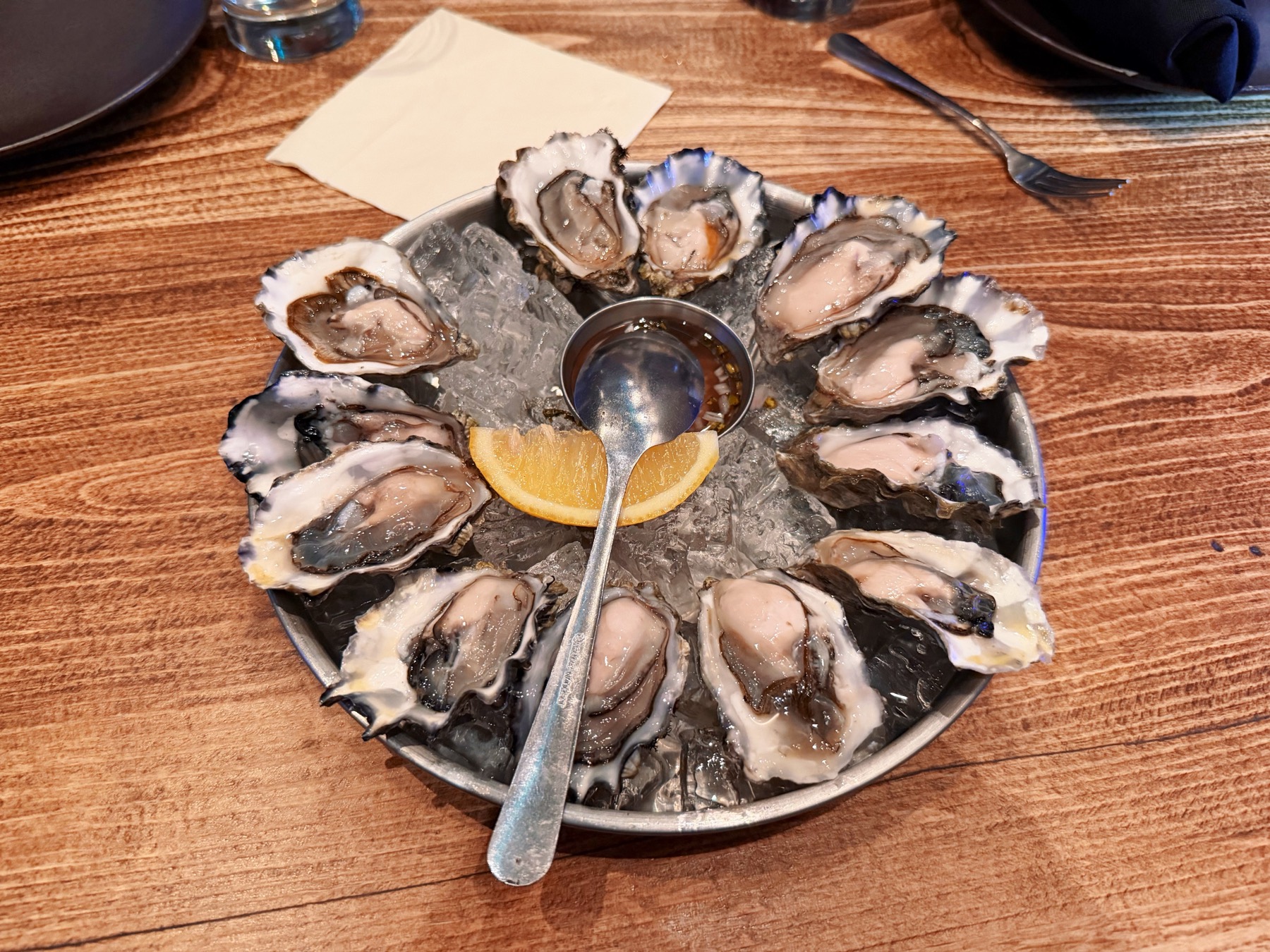
I enjoy cooking, and I take eating seriously. I am most comfortable making Chinese, Japanese, and Korean dishes, and I have recently begun learning baking and pastry. I rarely turn down sashimi, oysters, sushi, tonkotsu ramen, or naengmyeon. When I find a good restaurant, I like documenting the meal and writing a proper review. Some current favorites are Taedonggang Naengmyeon in Changchun, Ichiran in Hong Kong and Tokyo, and Toy Soldier in San Francisco.
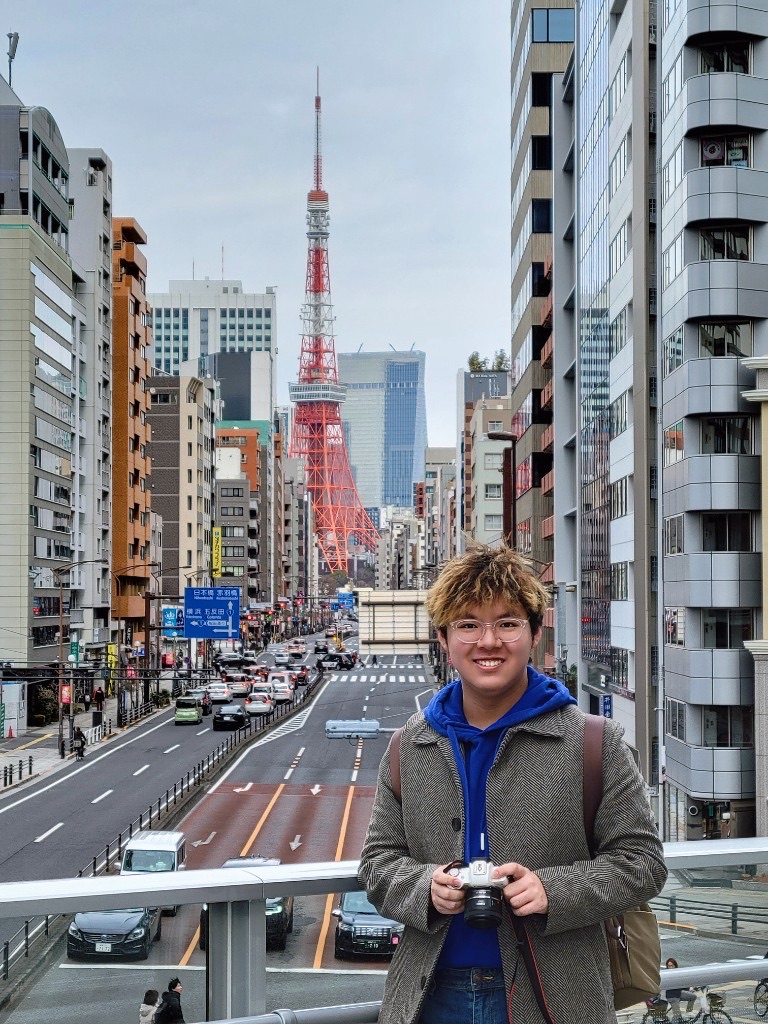
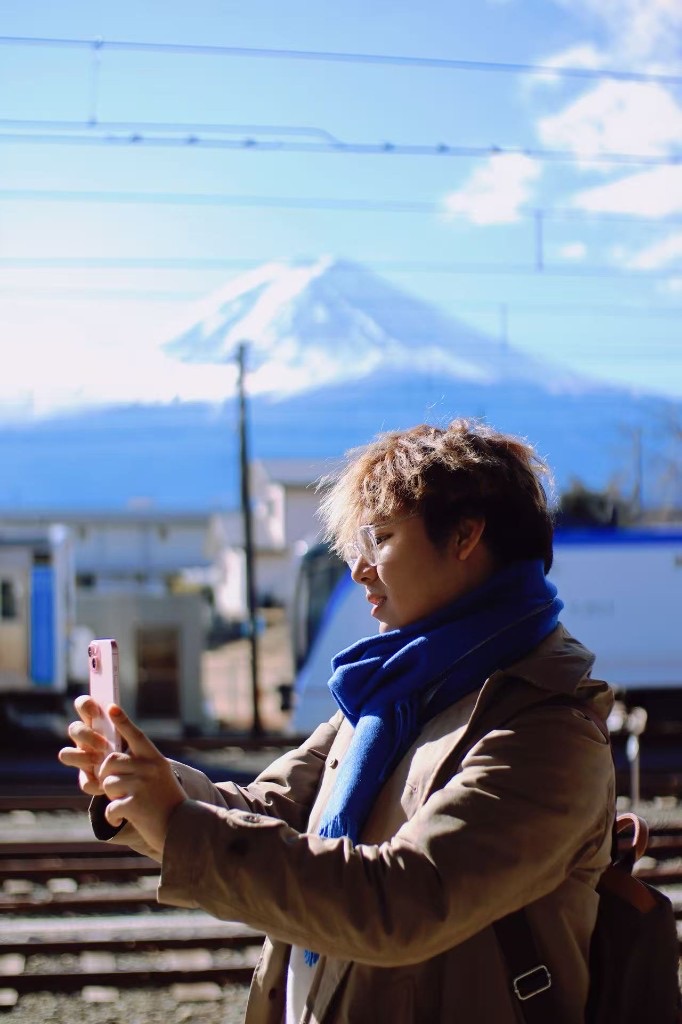
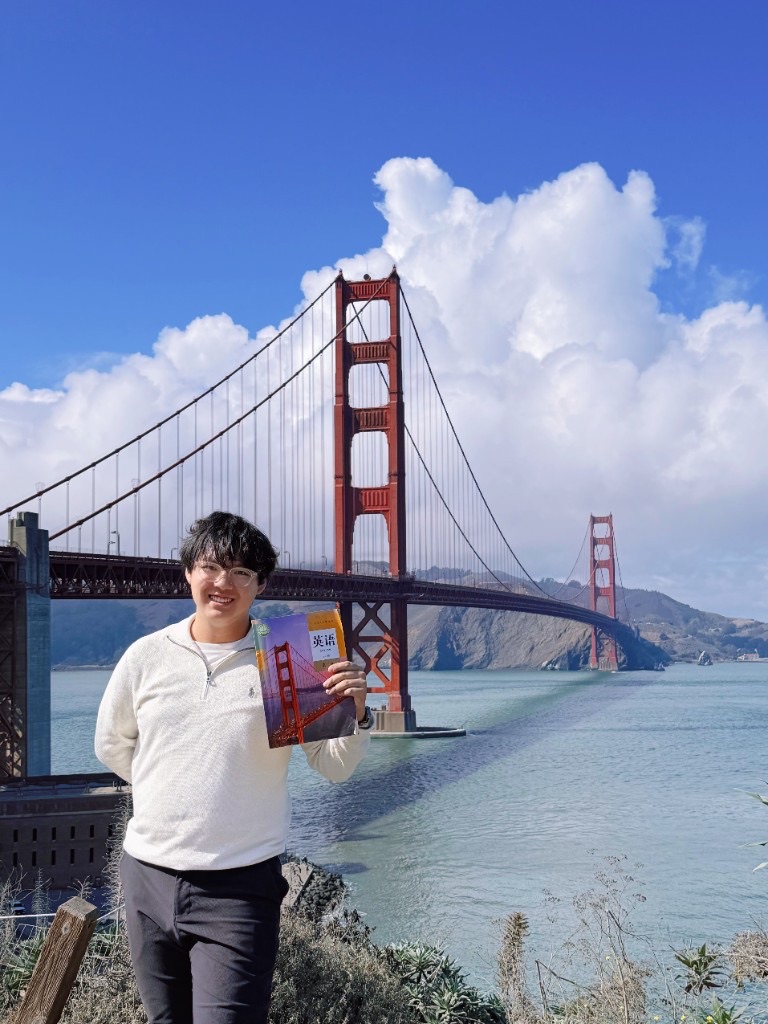
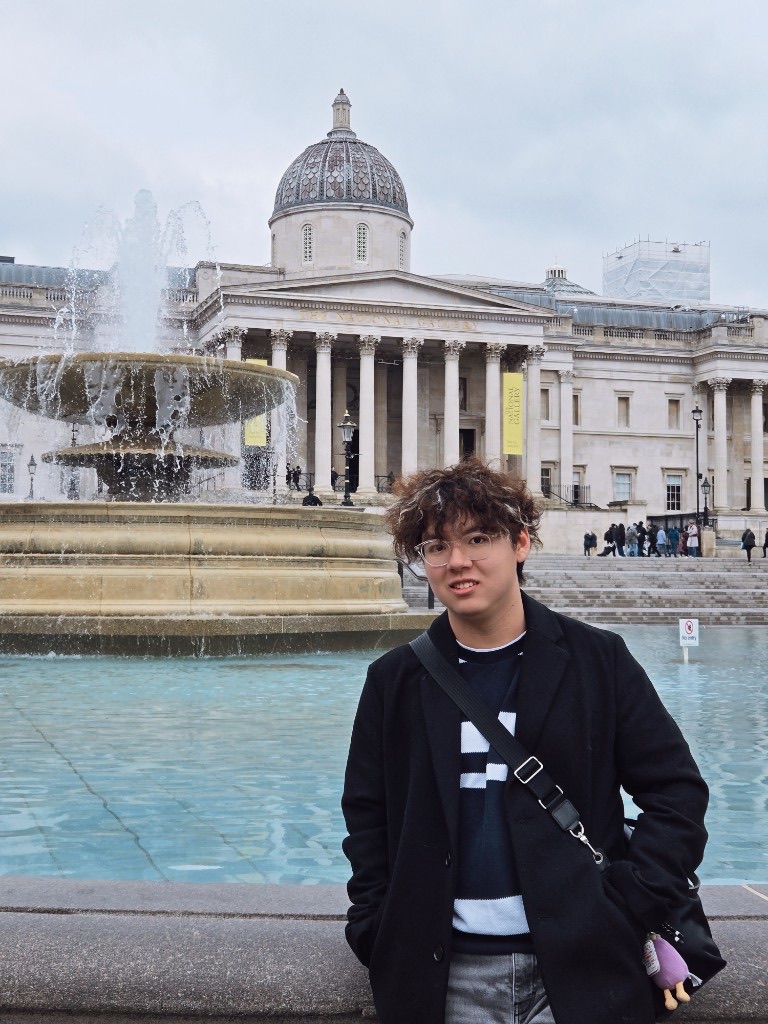
Travel gives me another way to understand a place through its streets, food, and everyday rhythms. I have visited Hong Kong, Macau, Japan, Singapore, the United Kingdom, Ireland, Spain, the United States, and many cities across China. I am less interested in treating travel as a checklist than in remembering its smaller moments: a meal, a long walk, the sound of a city, or an unplanned afternoon that somehow stays with me.
Books and Films
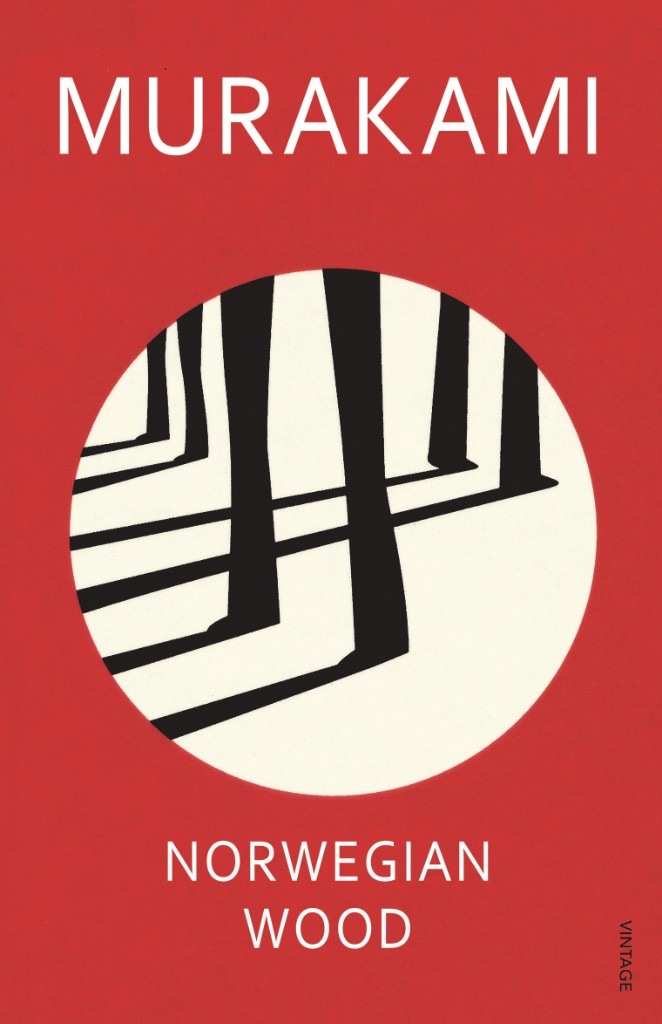
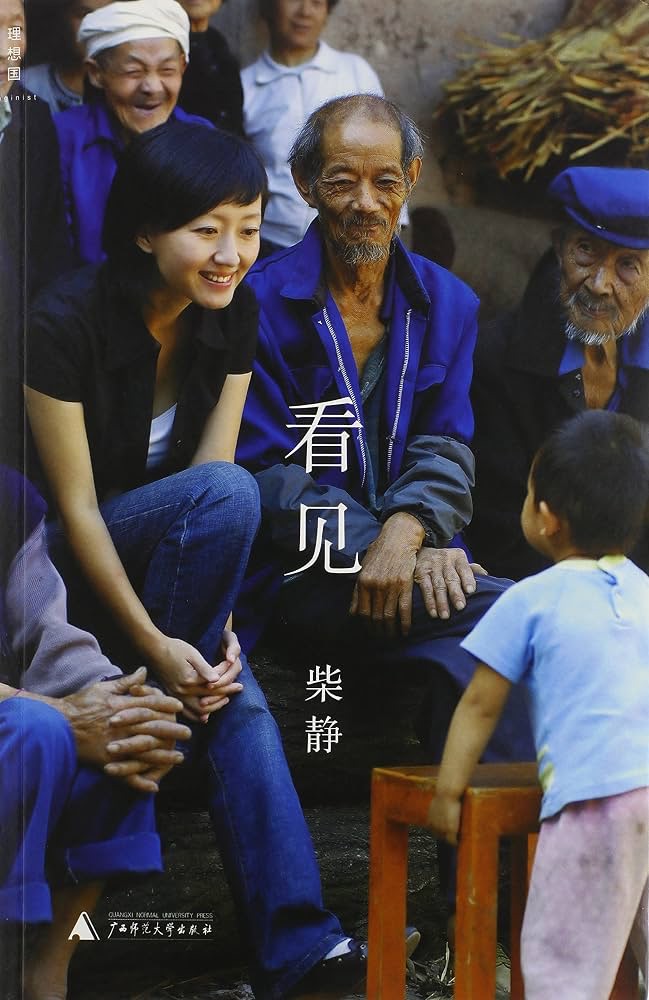
I read mainly in Chinese and English. Some of my favorite works of fiction are Pai Hsien-yung’s Taipei People, The Guernsey Literary and Potato Peel Pie Society, and Haruki Murakami’s Norwegian Wood. Among nonfiction, I like Chai Jing’s Seeing, Michelle Obama’s Becoming, and Yeonmi Park’s In Order to Live: A North Korean Girl’s Journey to Freedom. My favorite writers are Pai Hsien-yung and Haruki Murakami.
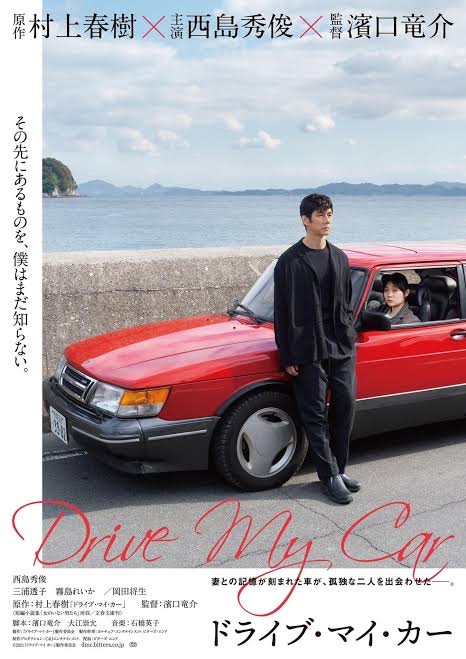
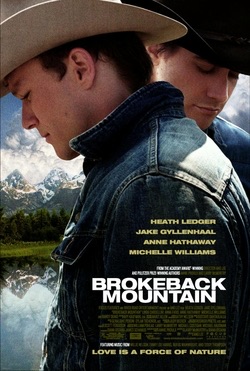
In film, I am especially drawn to the work of Ang Lee and Ryusuke Hamaguchi. My favorite films are Drive My Car and Brokeback Mountain, and my favorite actor is Hidetoshi Nishijima. I am drawn to complex relationships and emotions that move quietly beneath the surface. That is one reason Drive My Car means so much to me. Pain and love are rarely spoken directly. Instead, they appear through a glance, a shift in tone, a silence, or the surrounding space, waiting to be noticed in the details. To me, this feels like a distinctly East Asian mode of expression.
Changchun, My Hometown
I was born in Changchun, where winter temperatures often fall to −20°C (−4°F). Northeast China’s black soil, its long winters, and the language and food of the region have shaped my cultural background, habits, and accent. Even when I am far from home, small details often remind me where I come from.
Changchun has a complex and heavy history. Railway expansion, Japanese colonial rule, its period as the capital of the Japanese puppet state of Manchukuo, and the Chinese Civil War all left marks on the city. After the founding of the People’s Republic of China, Changchun grew rapidly around automobile manufacturing and later experienced the broader industrial transition of Northeast China. To me, Changchun cannot be reduced to a single historical narrative, nor is it only a city known for cars and cinema. It is where I first learned to understand family, culture, and a sense of place.
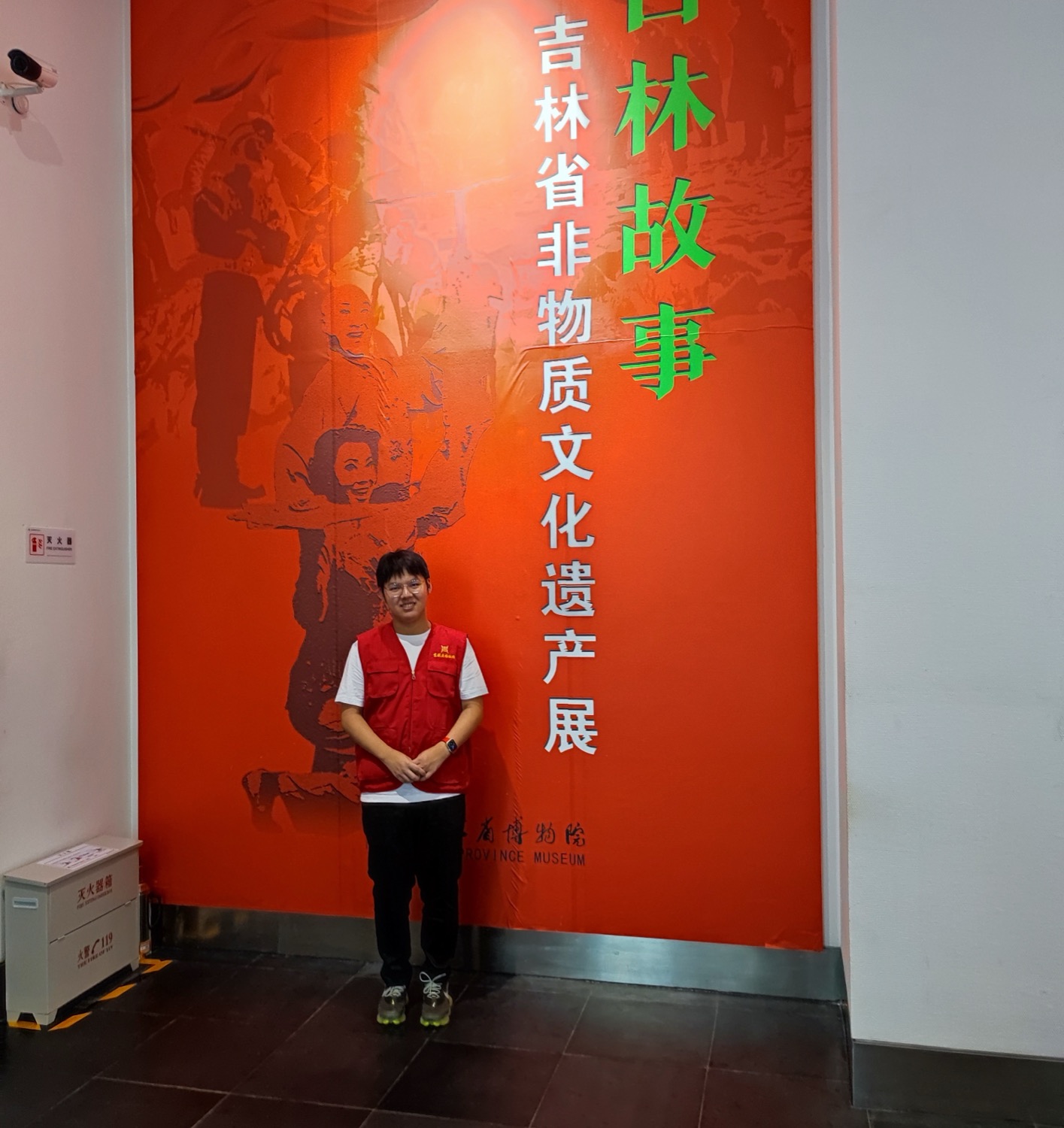
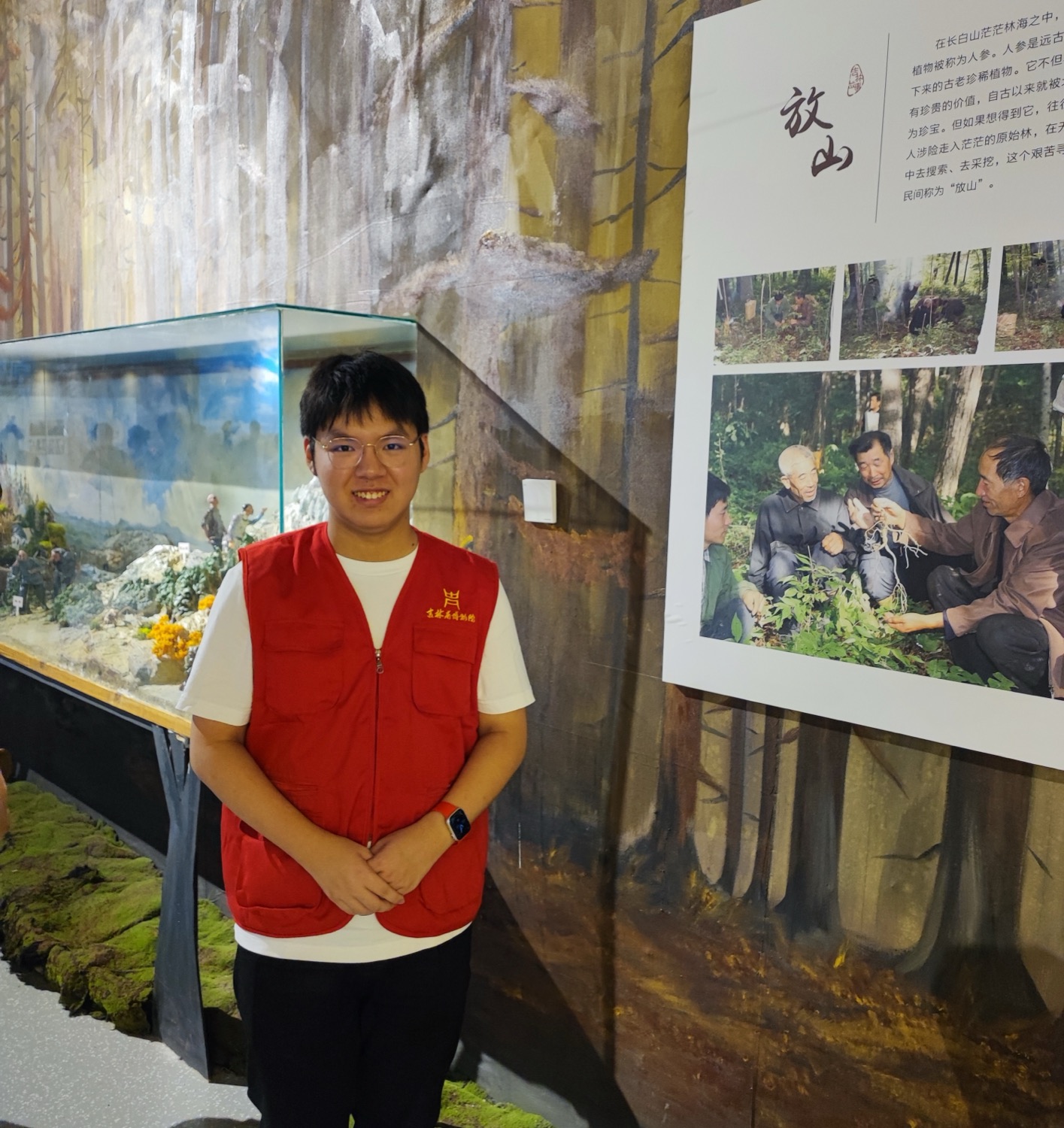
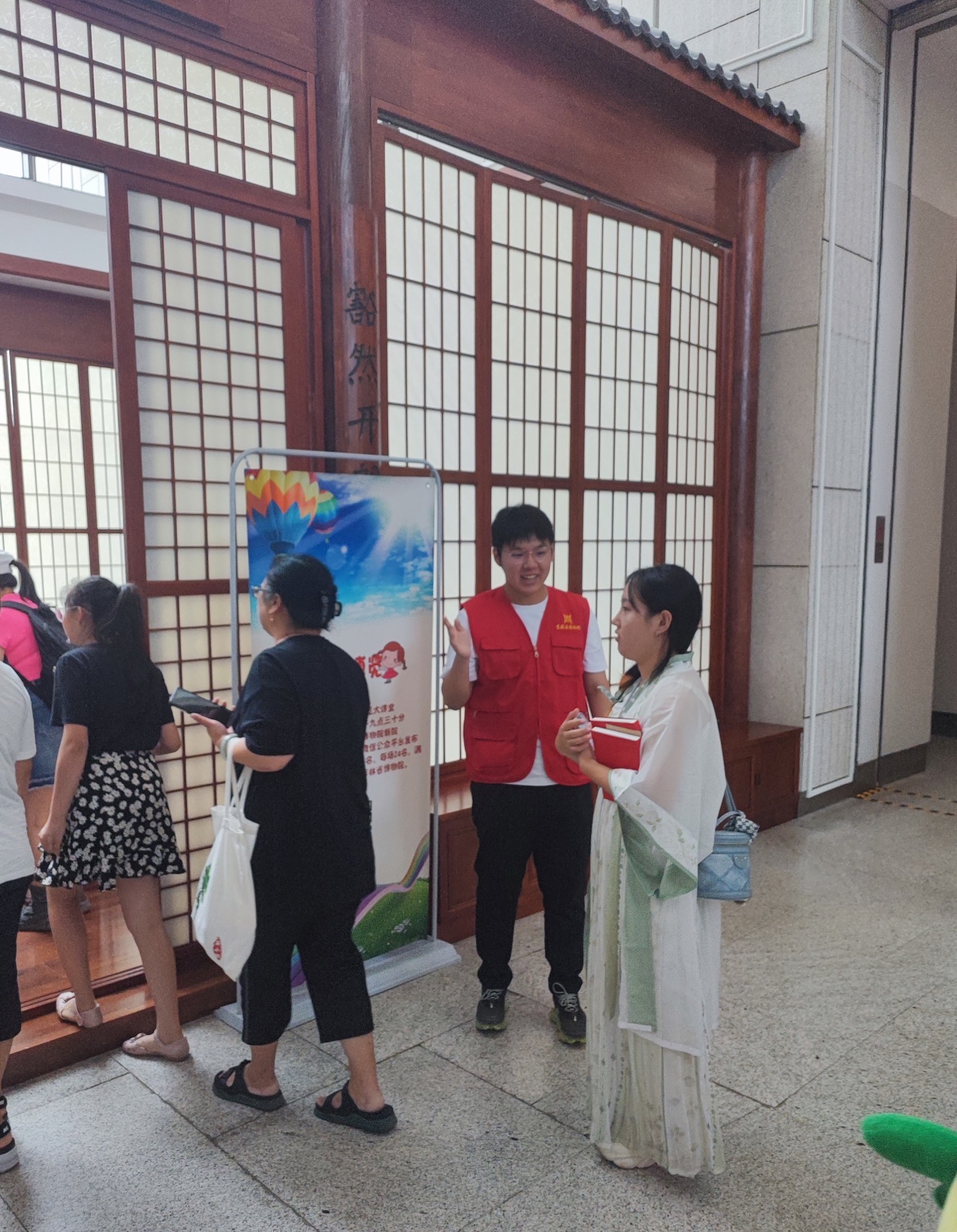
I have tried to turn this connection into something tangible. I volunteered as a docent at the Jilin Provincial Museum, where I introduced visitors to the intangible cultural heritage of my home province. I also worked as a liaison with the local heritage practitioner known as Guandong Niren Zhang (关东泥人张), helping coordinate and promote his clay figurine work. I can also perform errenzhuan, a folk performance tradition from Northeast China. The piece I know best is Xiao Bainian (《小拜年》).
Writing
I love writing in both Chinese and English. My essays often begin with personal experience and move toward questions about undergraduate research, HCI, writing and submitting papers, academic collaboration, and how researchers make sense of their own work. I also write about travel, culture, and everyday life.
For me, writing is not simply a way to present conclusions I have already reached. Often, I only begin to understand what is troubling me through the act of writing. I want to articulate experiences that are real but not always easy to discuss, so that something private can become a question others can think about together.
Most of my Chinese essays are published on RedNote, where they have received nearly 20,000 likes and attracted more than 1,000 followers. I have also adapted some of them into English for Medium. I occasionally write fiction as well, especially romance, horror, thrillers, and weird fiction. I am particularly fond of “rules horror,” a Chinese internet fiction genre built around unsettling lists of instructions.